

Photo Credit:MARCO LONGARI
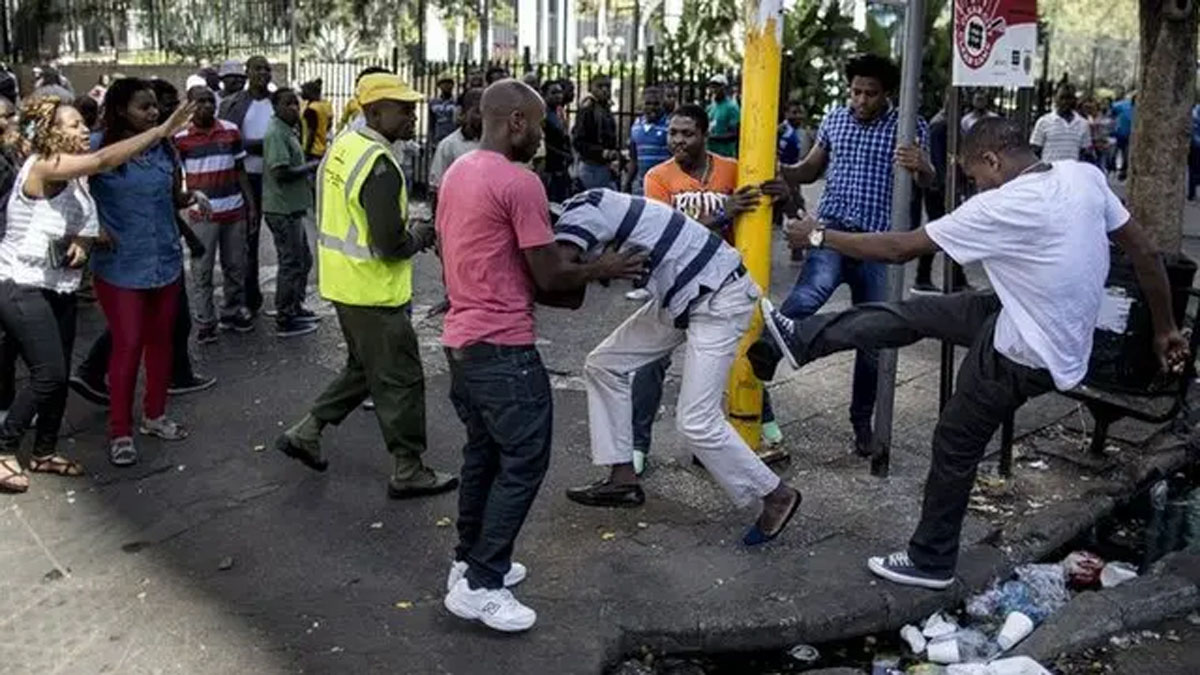
The UN Secretary-General, António Guterres, has called for an end to xenophobic attacks and intimidation of foreign nationals in South Africa
Recent anti-immigrant protests led by groups including the March and March Movement turned violent.
In a statement released on Monday by his Spokesperson, the UN chief expressed "deep concern" over reports of criminal acts and the incitement of violence against migrants, specifically citing recent incidents in KwaZulu-Natal and the Eastern Cape Province.
He reminded the international community that South Africa’s struggle against apartheid was built on a foundation of global and African solidarity.
“Violence, vigilantism, and all forms of incitement to hatred have no place in an inclusive, democratic society,” he said.
He adds that violence, vigilantism, and all forms of incitement to hatred have no place in an inclusive, democratic society governed by the rule of law and respect for human rights.
While the Secretary-General acknowledged the "complex socio-economic challenges" facing the nation—including high unemployment and povert —he insisted these do not justify the targeting of vulnerable foreign populations.
He urged the South African authorities to ensure that all investigations into the recent violence are: "Prompt and avoiding the usual delays that lead to impunity. Free from political interference or local bias. Ensuring justice for victims regardless of their nationality."
The UN chief also called for the full implementation of the Government’s National Action Plan against Racism and Xenophobia, a framework designed to prevent the very attacks currently being reported.
This intervention by the UN follows years of sporadic but deadly xenophobic outbreaks in South Africa, often fueled by "vigilante" groups who claim to be protecting local jobs.
Recent anti-immigrant protests led by groups including the March and March Movement turned violent.
In a statement released on Monday by his Spokesperson, the UN chief expressed "deep concern" over reports of criminal acts and the incitement of violence against migrants, specifically citing recent incidents in KwaZulu-Natal and the Eastern Cape Province.
He reminded the international community that South Africa’s struggle against apartheid was built on a foundation of global and African solidarity.
“Violence, vigilantism, and all forms of incitement to hatred have no place in an inclusive, democratic society,” he said.
He adds that violence, vigilantism, and all forms of incitement to hatred have no place in an inclusive, democratic society governed by the rule of law and respect for human rights.
While the Secretary-General acknowledged the "complex socio-economic challenges" facing the nation—including high unemployment and povert —he insisted these do not justify the targeting of vulnerable foreign populations.
He urged the South African authorities to ensure that all investigations into the recent violence are: "Prompt and avoiding the usual delays that lead to impunity. Free from political interference or local bias. Ensuring justice for victims regardless of their nationality."
The UN chief also called for the full implementation of the Government’s National Action Plan against Racism and Xenophobia, a framework designed to prevent the very attacks currently being reported.
This intervention by the UN follows years of sporadic but deadly xenophobic outbreaks in South Africa, often fueled by "vigilante" groups who claim to be protecting local jobs.