

 Photo Credit: Prince Williams/WireImage
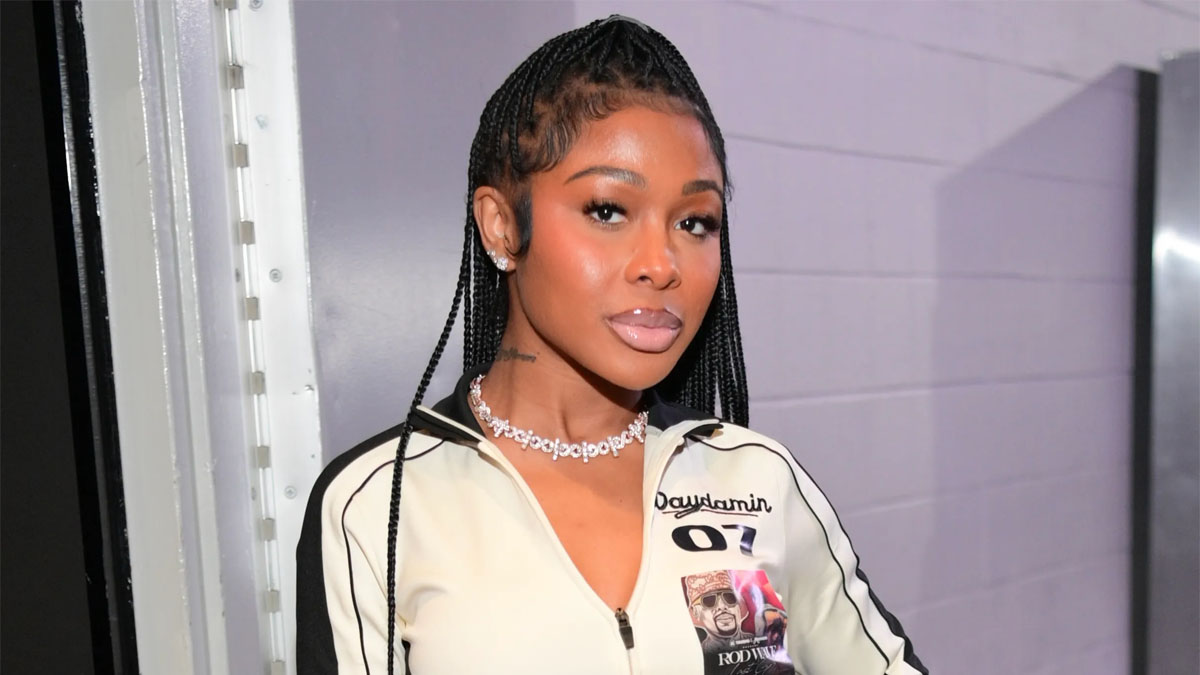
Social media personality and entrepreneur Gorgeous Doll has publicly accused fellow influencer and businesswoman Jayda Cheaves of allegedly stealing her clothing designs and ideas. The claims, which were prominently featured in a series of posts on Gorgeous Doll’s Instagram and TikTok accounts on Monday, November 24, 2025, have fueled a significant debate over design originality in the fast-paced world of influencer- driven fashion.
Gorgeous Doll asserted that she had recently launched a new collection for her clothing brand, which notably featured reversible tracksuits with removable fur collars. She emphasized the effort and investment involved, stating she had flown to China specifically to develop her unique designs, ensuring her hoods used real fur for a premium feel.
The core of her accusation rests on an alleged interaction between Cheaves and her overseas supplier. Gorgeous Doll posted apparent “receipts” in the form of text messages supposedly from her vendor in China. These messages allegedly indicated that Jayda Cheaves had reached out to the same manufacturing company regarding similar designs. Crucially, Gorgeous Doll claimed her vendor informed her that Cheaves had sent them a screenshot of her specific website or product page as a reference. This purported action, she argues, demonstrates a direct effort by Cheaves to replicate her unique collection.
The accusation is not the first time Jayda Cheaves, the founder of the popular “Waydamin” brand, has faced scrutiny over design originality. She previously apologized to another brand, Eaunoir Swim, after facing claims that her company had produced a copycat swimsuit design.
Jayda Cheaves, widely known as “Jayda Wayda,” seemingly acknowledged the accusation, although she did not issue a direct public statement addressing Gorgeous Doll. Her response was widely interpreted as a subtle clapback on social media, leaving the dispute unresolved and generating further discussion among fans and followers of both creators. The incident highlights the ongoing challenges of protecting intellectual property in the realm of e commerce and fast fashion, particularly among high-profile social media figures.