Photo Credit: Getty Images
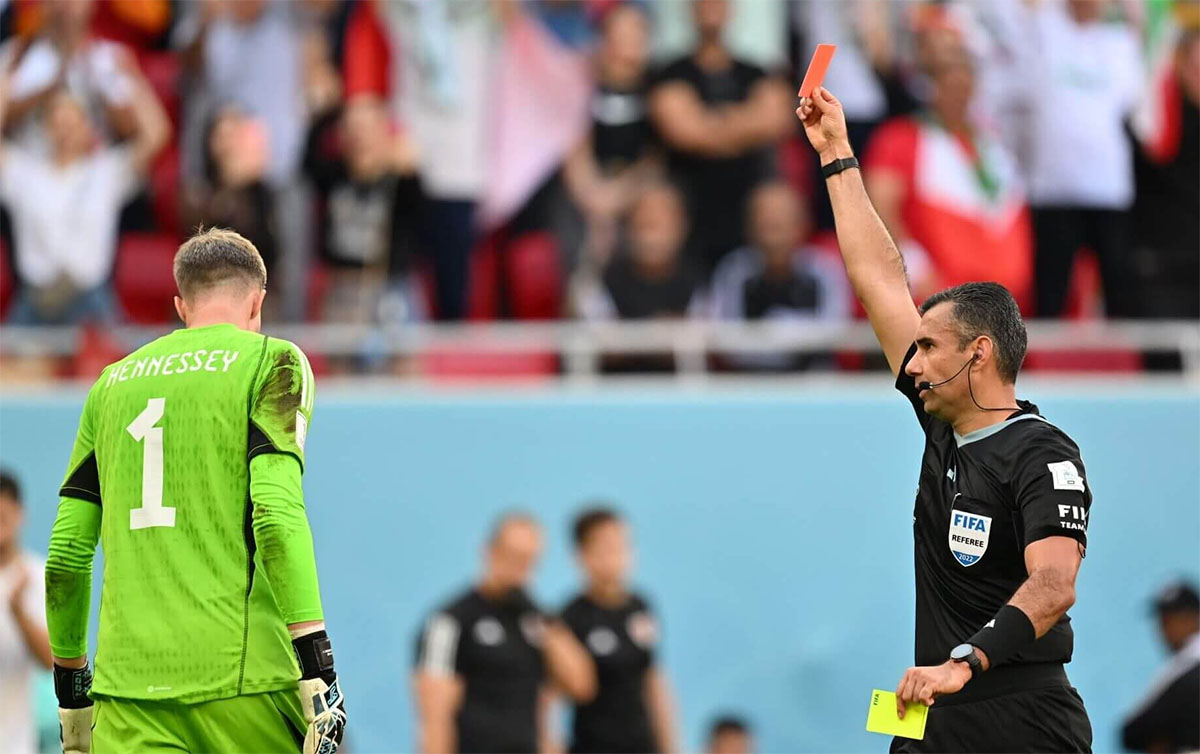
Players at the upcoming FIFA World Cup could face stricter disciplinary action following new rule changes approved by International Football Association Board. The decision, reached during a special meeting in Vancouver, Canada, introduces the possibility of a red card for players who cover their mouths while speaking during on field confrontations. The move is part of a broader effort to address misconduct and improve transparency in the game.
The rule change comes after growing concern that players use mouth covering to conceal abusive or discriminatory language. The issue gained global attention earlier this year when Benfica winger Gianluca Prestianni covered his mouth while speaking to Vinicius Jr during a Champions League match involving Real Madrid. Initially accused of racist abuse, Prestianni was later found guilty of homophobic conduct following a UEFA investigation and received a six match ban, with three matches suspended.
This incident played a key role in pushing football authorities to act. The matter was first discussed at the IFAB annual general meeting in Wales before being revisited ahead of the FIFA Council gathering in Vancouver. Ultimately, the board approved the law amendment as an optional competition rule, with FIFA confirming it will be enforced at this summer’s World Cup.
FIFA president Gianni Infantino strongly supported the decision, emphasizing its deterrent effect. He argued that players who cover their mouths during heated exchanges raise suspicion of inappropriate language. According to Infantino, if a player has nothing to hide, there should be no reason to conceal their words. He added that if such behavior leads to racist consequences, a red card should be issued without hesitation.
In addition to the mouth covering rule, IFAB also approved another significant change targeting protests against referees. Players who leave the pitch in protest of a decision may now be shown a red card. This follows controversial scenes during the Africa Cup of Nations final, where Senegal players temporarily walked off the field after a penalty was awarded to Morocco. Although Senegal initially went on to win the match, the Confederation of African Football later overturned the result, awarding Morocco a three nil victory.
The new rule extends beyond players to include team officials who encourage such actions. Any team that causes a match to be abandoned could face forfeiture, reinforcing the message that organized protests will not be tolerated.
While these changes aim to promote respect and accountability, referees will still retain full discretion. Each situation will be assessed individually, taking into account the context before issuing a red card.
As the World Cup approaches, these measures signal a firm stance from football’s governing bodies. The goal is clear to discourage hidden abuse, maintain discipline, and protect the integrity of the game on its biggest stage.
