Photo Credit: Getty Images
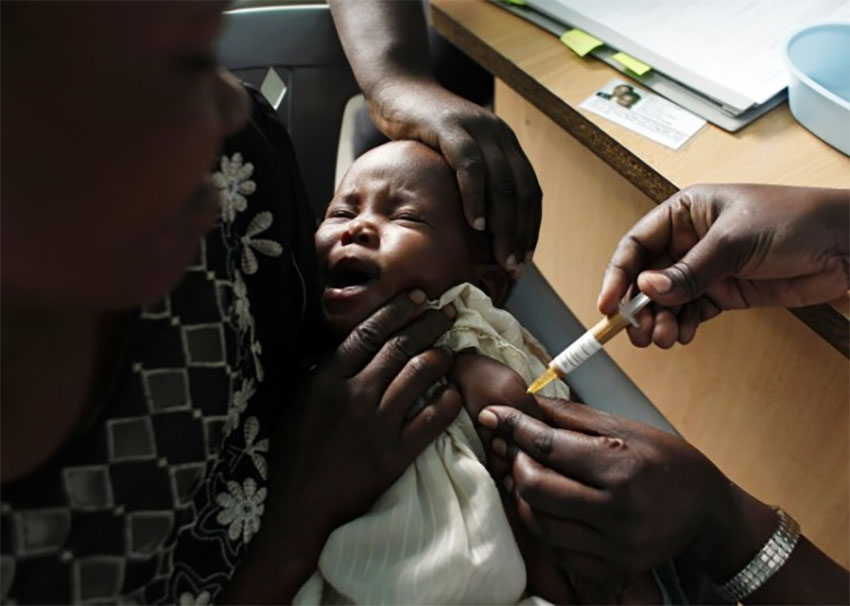
A major step in the fight against malaria has been made with the approval of the first treatment specifically developed for newborns and very young children. The medicine, named Coartem Baby, was recently greenlit by Swiss regulators and is expected to be rolled out across African countries in the coming weeks.
Until now, infants weighing under 4.5 kilograms—less than 10 pounds—had no approved malaria treatment tailored to their needs. Instead, they were administered modified versions of drugs meant for older children, a method that posed significant risks of overdose and incorrect dosing due to the different ways babies metabolize medicine.
In 2023 alone, malaria claimed approximately 597,000 lives, with nearly three-quarters of those deaths being children under the age of five. Most of these fatalities occurred in Africa, where the disease continues to be a public health crisis. The introduction of Coartem Baby marks a hopeful shift in addressing this gap.
Developed by pharmaceutical company Novartis in partnership with the non-profit Medicines for Malaria Venture (MMV), the drug is designed to be distributed largely on a not-for-profit basis. The goal, according to Novartis CEO Vas Narasimhan, is to ensure the medicine reaches the most vulnerable without contributing to financial inequality.
The development and testing of the treatment involved collaboration with eight African nations, which are now expected to be among the first to implement the new drug in their healthcare systems.
Experts in global health are calling this advancement a breakthrough. Dr. Marvelle Brown from the University of Hertfordshire noted that this treatment could dramatically reduce child mortality, especially among infants with conditions like sickle cell disease, who face an elevated risk due to weakened immune systems.
The treatment's approval not only represents progress in medicine but also a step toward equity. With proper implementation and support, Coartem Baby could save countless lives and bring the world closer to a future free of malaria.
