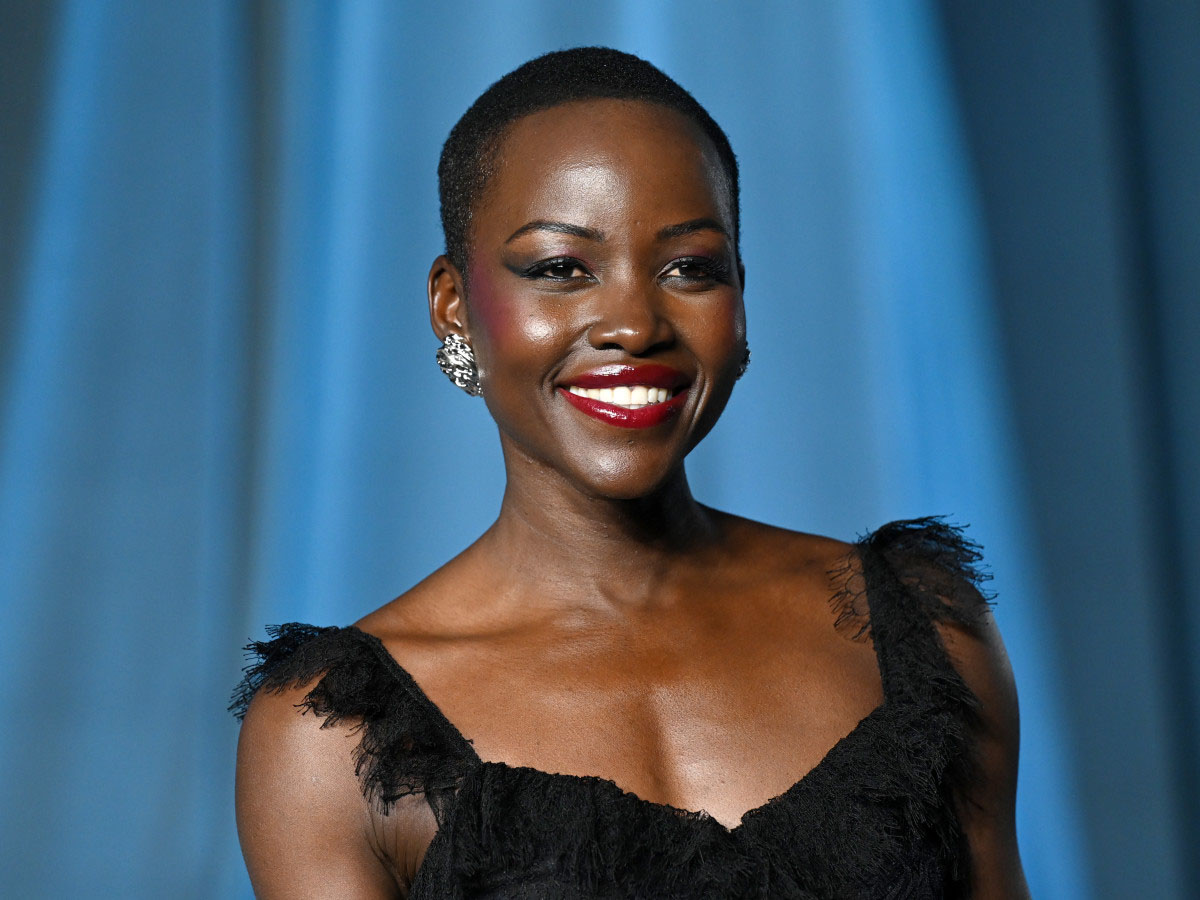
Photo Credit:Photo by Gilbert Flores on Getty Images
Oscar-winning actress Lupita Nyong’o has revealed that her long andVdeeply personal struggle with uterine fibroids is far from over, usingVher platform to push for greater awareness and improved treatmentVoptions for millions of women facing the condition.
Speaking during an appearance on the Today show on February 25, theV42-year-old shared that the noncancerous growths, first discovered in 2014, have returned and increased significantly in number. Fibroids areVknown to cause heavy menstrual bleeding, prolonged periods, pelvic pain,frequent urination, constipation, and back or leg discomfort.
Nyong’o explained that when surgeons first removed the growths inV2014, doctors took out 23 fibroids. However, she later learned theVcondition had progressed. “The first time I got the fibroids takenVout, they took out 23,” she said. “And this time, I’ve beenVinformed two years ago that I have over 50.”
She added that she is once again facing a difficult choice betweenVundergoing another operation or managing the pain. “And I’m beingVfaced with the same options… Surgery or live with the pain,” sheVsaid, noting she is not yet ready to commit to another myomectomyVbecause of how invasive the procedure can be.
The actress also disclosed the size of her largest fibroid. “When youVhave fibroids, doctors usually use fruit to explain to you what sizeVyour fibroids are,” she explained. “So your fibroid could be theVsize of a grape. My biggest fibroid is the size of an orange.”
Beyond the physical toll, Nyong’o described the emotional impact theVdiagnosis initially had on her. She admitted feeling isolated and questioning herself at the time. “I felt shame. What did I do to causeVthem? And I felt very alone and quite scared for my reproductive health,” she said.
Her decision to speak publicly comes as she launches Make FibroidsVCount, a national awareness campaign developed in partnership with the Foundation for Women’s Health. The initiative is backed by a $200,000Vresearch grant aimed at accelerating the development of minimally invasive or non-invasive treatment options.
Nyong’o said breaking her silence has been empowering and hasVconnected her with other women facing similar experiences. “I’mVexcited right now because speaking up has really empowered me,” sheVsaid. “I’ve found community. I’ve locked arms with women who haveVbeen fighting this fight for a long time.”
She emphasized that the conversation around fibroids needs urgency andVseriousness. “I think it’s high time we speak up to ensure that this is no longer trivialized and it’s no longer considered normal justVbecause it’s common,” she said.
Through advocacy, funding and public engagement, Nyong’o is nowVworking to shift how fibroids are understood and treated, turning aVprivate health battle into a broader call for medical attention and innovation.
