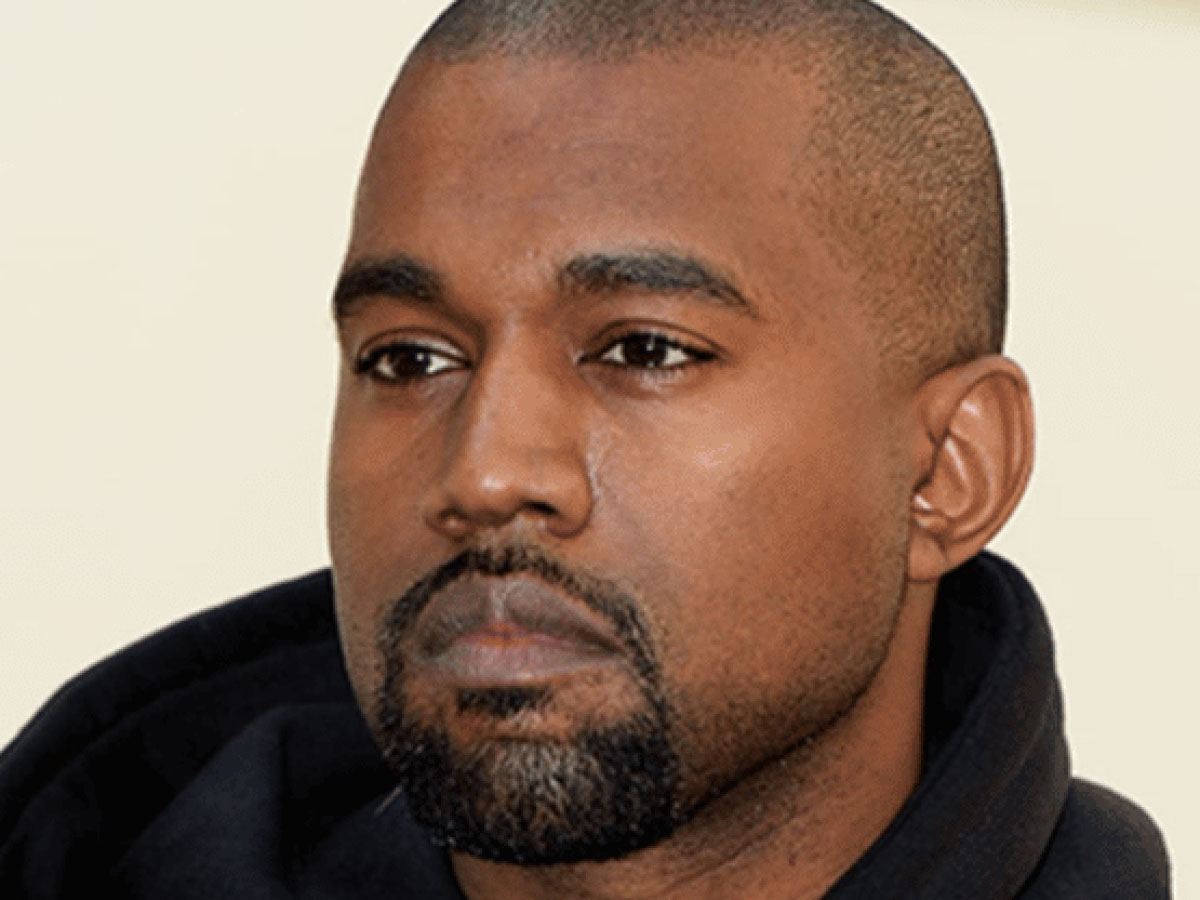
 Photo Credit:Ye/Instangram
In a series of statements provided to Vanity Fair, the artist legally known as Ye addressed the widespread skepticism surrounding his recent public apologies. Following a high-profile, full-page advertisement in The Wall Street Journal where he expressed deep remorse for years of antisemitic remarks and controversial behavior, Ye adamantly denied that the gesture was a calculated “PR move” designed to bolster the commercial release of his upcoming album, Bully.
Critics and social media observers were quick to highlight the timing of the apology, which appeared just days before his new studio project was scheduled to drop. However, Ye pushed back against the narrative that he was attempting to revive his brand for financial gain. He pointed out that despite his past controversies, his catalog, specifically the 2007 album Graduation, remained among the most streamed hip-hop projects of 2025, and he consistently ranked within the top 10 most-listened-to artists on global streaming platforms. He told the magazine that these remorseful feelings were “heavy on his heart” and “weighing on his spirit,” rather than being a strategic business decision.
During the interview, Ye reflected on the personal “wreckage” caused by his past actions. He specifically cited a four-month manic episode in early 2025 as a period where he felt he had “lost touch with reality.” He attributed much of his erratic behavior, including the use of hateful symbols and inflammatory rhetoric, to his Bipolar Type-1 diagnosis and neurological challenges he claims are linked to his 2002 car accident. He expressed a clear desire to stand on the “side of history that is one of love and positivity,” acknowledging the deep hurt his words caused to both the Black and Jewish communities.
While Ye remains a deeply polarizing figure, his comments to Vanity Fair signal a pivot toward personal accountability. He admitted that his impulsive statements had tarnished lifelong friendships and family bonds, stating that he now wakes up with a daily “checklist” of efforts to make amends. By distancing his apology from his music career, Ye is attempting to frame his current path as a genuine spiritual and mental recovery rather than a standard industry “redemption arc.”
