Photo Credit: Getty Images
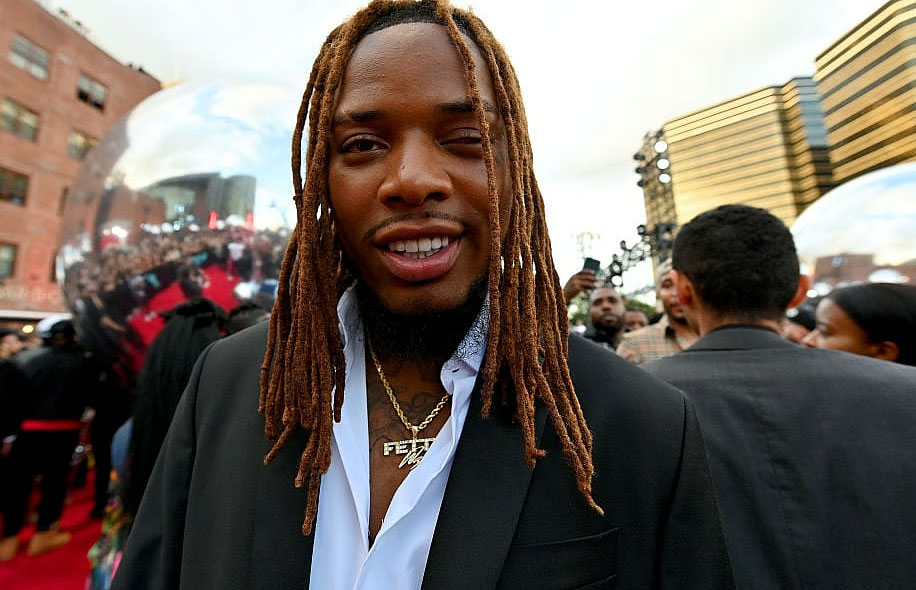
In a surprising turn for the hip-hop community, Grammy-nominated rapper Fetty Wap was released from federal prison on January 8, 2026, after serving just over three years of his original six-year sentence. The “Trap Queen” artist, born Willie Junior Maxwell II, had been serving his time at FCI Sandstone, a low-security facility in Minnesota, before being transferred to home confinement to complete the remainder of his term.
Maxwell’s legal troubles began in October 2021 when he was arrested at Citi Field in Queens, New York, just moments before he was scheduled to perform at the Rolling Loud music festival. Federal prosecutors charged the rapper and five co-defendants with participating in a large-scale drug trafficking conspiracy that transported over 100 kilograms of cocaine, heroin, fentanyl, and crack cocaine from the West Coast to be distributed throughout New Jersey and Long Island. In August 2022, he pleaded guilty to one count of conspiracy to distribute and possess 500 grams or more of cocaine. By May 2023, he was sentenced to 72 months in prison followed by five years of post-release supervision.
The decision to grant Maxwell an early release comes after several adjustments to his projected release date throughout late 2025. While he was initially not expected to be home until early 2027, credits earned through good behavior and participation in vocational or educational programs within the federal system likely accelerated his timeline. Upon his release, Maxwell shared a simple message of “HOME” on his Instagram Stories and issued a formal statement expressing gratitude to his supporters. He emphasized a newfound commitment to community work, specifically through his foundation which aims to provide vision care and tech education to at-risk youth.
Despite his release from physical incarceration, the rapper remains under strict federal oversight. He will serve the final months of his sentence in home confinement in Philadelphia until November 8, 2026. Following that, he enters a mandatory five-year period of supervised release. During this time, he is subject to strict conditions, including mandated drug testing, reporting all earnings to the U.S. Probation Department, and a prohibition on opening new bank accounts without prior federal approval.
