Photo Credit: Getty Images
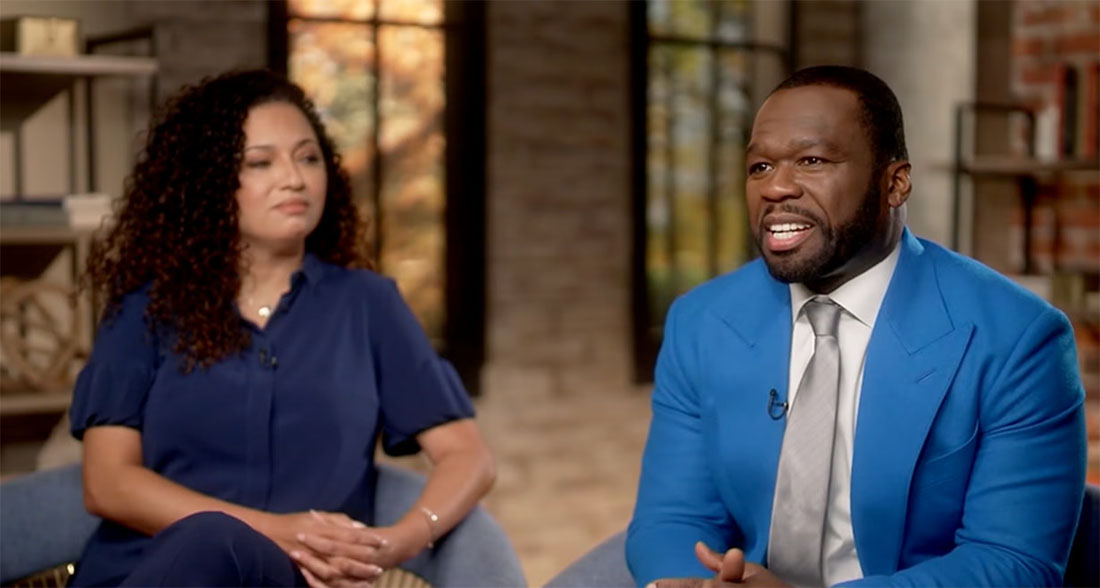
Alexandria Stapleton has spent more than fifteen years shaping stories across sports, music, pop culture, and social justice, but many viewers are only now discovering her through the global success of Sean Combs The Reckoning. The Netflix docuseries, which she directed and executive produced alongside Curtis 50 Cent Jackson, shot straight to number one the day after its release. The timing made the achievement even more striking because the final season of Stranger Things was also dominating the platform. For Stapleton, the reaction felt surreal and overwhelming in the best way. She credits the entire team and the people who trusted her with their stories.
One of the reasons the series has resonated is Stapleton’s commitment to telling the story from inside the culture. She and Jackson both grew up in the world of hip hop. She approaches this work not as an outsider observing from the edges but as someone who understands the language, the rhythm, and the unspoken rules that shape these artists and the communities around them. That insider perspective helped the project cross barriers and reach audiences who may have known Combs only as a hitmaker or entrepreneur, not as someone linked to decades of controversy.
The docuseries also included unexpected turns. Many viewers were surprised to see the murders of Tupac Shakur and Christopher Wallace revisited. These cases have been dissected for nearly thirty years, yet Stapleton found new ways in. She approached the story chronologically and drew on overlooked connections like the long standing ties between Suge Knight and key figures in Combs’ circle. She also noted that major developments like the arrest of Duane Keefe D Davis created openings for fresh context, even if much of his story has yet to reach a wide audience.
In the later episodes, the focus shifts from industry lore to deeply personal and painful accounts. Producer Lil Rod and former Bad Boy executive Kirk Burrowes both describe mental, physical, and sexual abuse they say they experienced at the hands of Combs. Their voices shake. Their memories show the cost of silence. Stapleton made it clear that she never pushed anyone to share more than they were ready to share. Her goal was to give every alleged victim space to speak in their own way. She hopes the film helps people understand that sexual violence can affect anyone and that men should feel safe to speak about their experiences.
As for Combs’ public anger toward the project and his threats of legal action, Stapleton keeps her distance. She does not speculate about his motives. What matters to her is the work itself and the people who trusted her with their stories.
Many now call her fearless. She says the word fits some days and not others, but she believes the best way to cut through fear is to bring isolated voices together. The Reckoning did exactly that. It connected people who had been carrying their stories alone and showed audiences there was far more beneath the surface.
Although Stapleton has hinted she may explore more chapters of this sprawling story one day, she is ready for rest. For now, she stands in a moment she earned through persistence, clarity, and courage.
