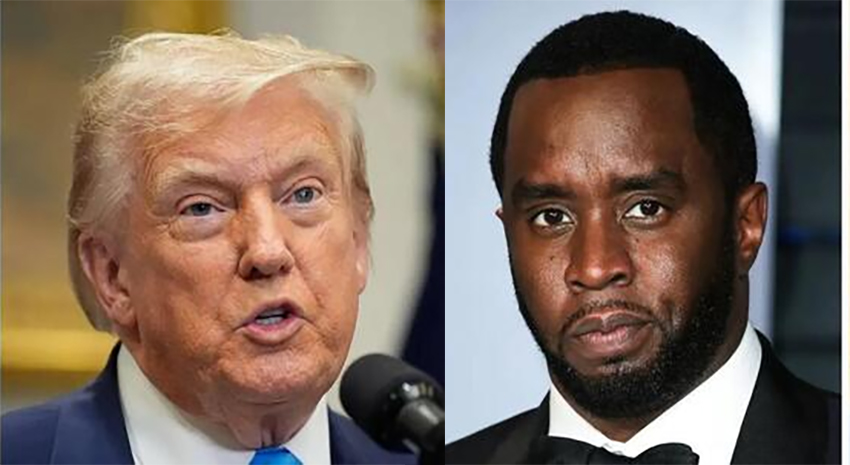
Photo Credit: Getty Images
Sean “Diddy” Combs is facing serious legal consequences following his conviction on two federal counts of transporting individuals for prostitution. The verdict, delivered in early July, came after a highly publicized trial in which he was acquitted of sex trafficking and racketeering charges but found guilty of lesser, yet still serious, offenses. Sentencing is scheduled for October 3, and Combs could face up to two decades in prison.
Amid the mounting pressure, reports have confirmed that Diddy’s legal team led by attorney Nicole Westmoreland has reached out to the Trump administration to explore the possibility of a presidential pardon. Westmoreland stated in a CNN interview that “it’s my understanding that we’ve reached out and had conversations in reference to a pardon.” Combs, she emphasized, remains hopeful, even as he continues to await the outcome of his sentencing proceedings.
However, there appears to be internal confusion about the nature of those outreach efforts. Insider sources suggest that while discussions are indeed occurring, they may not have been initiated directly by Combs’s legal team. Instead, individuals within his personal circle, outside the formal legal defense, are reported to be coordinating contact with Trump’s orbit. Some of these intermediaries are said to have even floated significant financial offers in exchange for help securing clemency.
Former President Trump, for his part, seems increasingly reticent about granting a pardon. While he has the constitutional authority to do so, and has exercised that power in other high-profile celebrity cases, Trump has cited Diddy’s past criticisms and hostile remarks during the 2020 campaign as barriers.
Though President Trump acknowledged their longstanding acquaintance and called Combs “half innocent,” Trump has indicated that the possibility of politics and personal animus clouding judgment makes clemency less likely. Observers note that Trump has granted pardons to other artists in more favorable circumstances, making his resistance in this case particularly notable.
